Thaler v Perlmutter
On 2 March 2026, the U.S. Supreme Court declined a petition for certiorari in Thaler v. Perlmutter, which presented the question: “Whether works outputted by an AI system without a direct, traditional authorial contribution by …

On 2 March 2026, the U.S. Supreme Court declined a petition for certiorari in Thaler v. Perlmutter, which presented the question: “Whether works outputted by an AI system without a direct, traditional authorial contribution by …
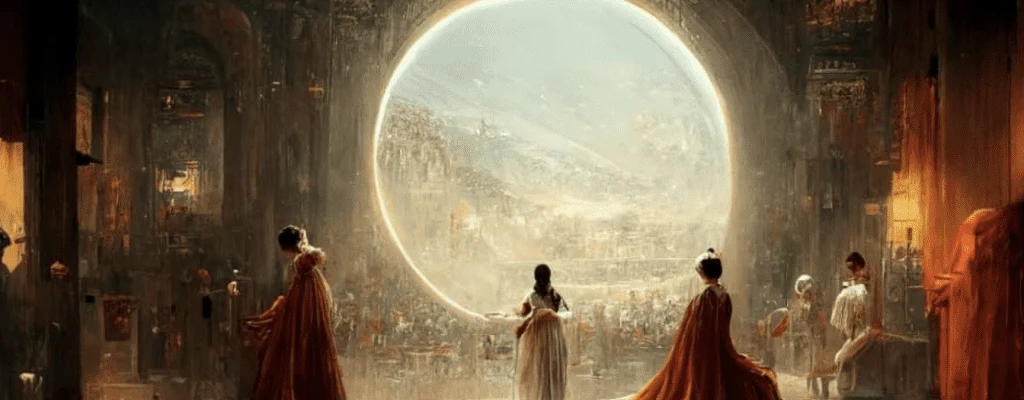
On 25 August 2025, Mr Allen filed a motion for summary judgment challenging the denial of his copyright application for the Théâtre D’opéra Spatial, an image created using the AI system, Midjourney. An amicus brief was …
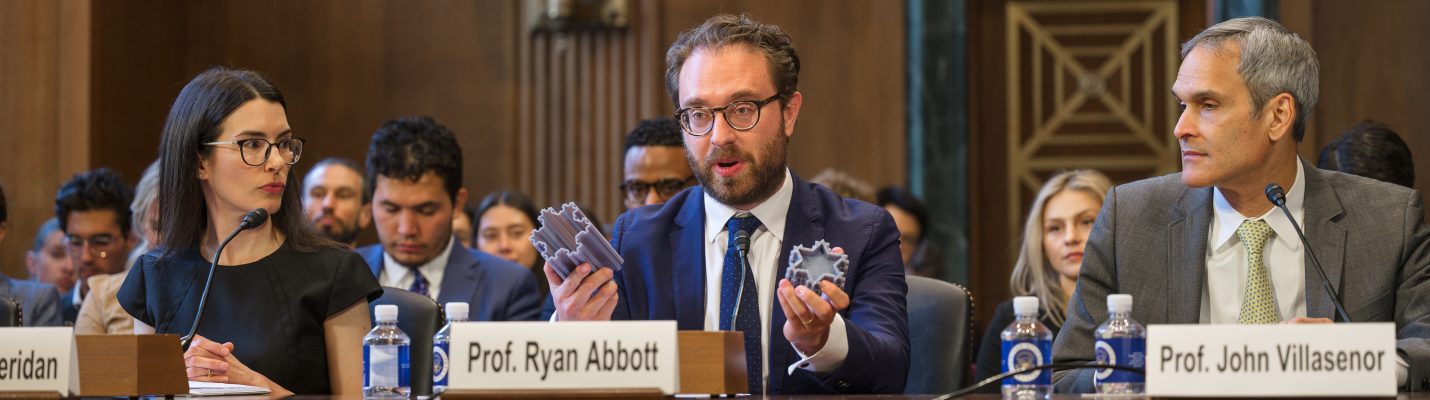
On June 7th 2023, Prof Ryan Abbott shared his thoughts and opinions on the future of AI and IP concerns at a Senate Subcommittee hearing. In his testimony, he talks about DABUS and the challenges …
Our complaint just filed in United States District Court for the District of Washington DC for an order compelling the US Copyright Office to set aside their refusal to register an AI-Generated Work.
United States On 2 September 2021, the District Court for the Eastern District of Virginia affirmed a decision by the United States Patent and Trademark Office (“USPTO”) that an inventor – defined in 35 USC …
The Legal Board of Appeal of the European Patent Office has issued its decision in J08/20 DABUS, rejecting an application for an AI-generated invention naming a machine as the inventor. The decision holds that only a …
A federal court in Australia has ruled in our favor and ordered our patent application for an AI-generated invention reinstated by IP Australia. From the attached judgment of Beach, J: “In summary, in my …
AI and people do not compete on a level-playing field. Self-driving vehicles may be safer than human drivers, but laws often penalize such technology. People may provide superior customer service, but businesses are automating to …